
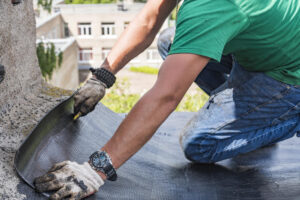
10 Signs You Need a Roof Replacement (Before a Small Leak Becomes a Big Bill)
10 Signs You Need a Roof Replacement (Before a Small
Most plumbing problems don’t happen overnight. A small drip, a slow drain, or a little corrosion on a pipe joint quietly gets worse until it turns into a burst pipe or a flooded floor. Knowing how to maintain home plumbing systems is one of the simplest ways to protect your house and avoid an expensive repair bill. At Beyond Builder, a licensed general contractor (LIC #1118371) serving Los Angeles and Southern California, we see the same preventable issues again and again. Here’s what actually works.
The best plumbing maintenance for homes comes down to a simple routine: check for leaks monthly, keep drains clear, watch what goes down the toilet, maintain your water heater annually, and know the early warning signs of a hidden problem. Most of this takes only a few minutes a month, and it’s far cheaper than the water damage repair that follows a leak left untreated.
📄 DOWNLOADABLE CHECKLIST Get the Printable Home Plumbing Maintenance Checklist Download a free, printable PDF checklist covering monthly checks, seasonal upkeep, and the warning signs that mean it’s time to call a plumber. |
Before getting into the maintenance routine itself, it helps to know what a developing problem actually looks like. Watch for:
If any of these sound familiar, it’s worth having a plumber take a look before starting (or continuing) a regular maintenance routine, since fixing an existing issue always comes first.
A newer plumbing system generally does well with a professional inspection every two years. Older homes, or systems that have needed repairs before, are better off with an annual check-up. Think of this the same way you’d think about servicing a car: catching small issues during a scheduled visit is far cheaper than an emergency repair.
Small leaks are easy to miss and easy to ignore, but according to EPA WaterSense, household leaks can waste a significant amount of water a year nationwide, and over time, cause real damage. Once a month, take a few minutes to check exposed pipes, under sinks, around toilets, and behind appliances like the dishwasher and washing machine for cracks, drips, or dampness. A leak caught early is a quick fix; a leak left for months can mean replacing drywall, flooring, or cabinetry.
Clogged drains are one of the most common (and most preventable) plumbing issues. A few habits go a long way:
Toilets are built to handle human waste and toilet paper, and that’s really it. Wipes (even ones labeled “flushable”), paper towels, grease, and feminine hygiene products don’t break down the same way and can form solid blockages further down the line. When in doubt, it goes in the trash, not the toilet.
Mineral deposits build up inside faucets and showerheads over time, especially with harder water, and gradually reduce water flow. Soaking the fixture in a vinegar solution (or a descaling product) every few months clears this buildup and keeps water pressure consistent. While you’re at it, check the handles for any drips when the water is supposedly off.
Water heaters are easy to forget about until they stop working. A little routine care extends their lifespan significantly:
Most home plumbing is built to handle water pressure in the 40 to 60 psi range. Pressure that regularly runs above 80 psi puts unnecessary strain on pipes, fittings, and appliances, and can shorten their lifespan or cause leaks. If you’re not sure what your home’s pressure looks like, a simple gauge from a hardware store (or a quick check from a plumber) will tell you, and a pressure regulator can be installed if it’s consistently too high.
Problems here don’t just mean inconvenience, they can mean real health risks. If your home connects to a septic system, make sure it’s inspected and pumped on the schedule your system requires. If you’re on a municipal sewer line, having a professional snake the main line once a year helps prevent slow drains and backups before they start.
This is one of the simplest, lowest-cost habits on this list. A few dollars in mesh covers for every drain in the house (kitchen sink, bathroom sinks, tub, shower) catches hair, food scraps, and debris before it has a chance to build up further down the pipe.
Regular maintenance reduces problems, but it doesn’t eliminate the need for professional help entirely. Corroded or rusted pipes, a water heater that’s making noise, consistently low pressure, or any of the warning signs mentioned earlier are all good reasons to bring in a licensed plumber rather than waiting to see if it resolves on its own.
Here’s how these tips break down into a simple routine you can actually stick to:
| Frequency | Tasks |
|---|---|
|
Monthly |
Check for leaks under sinks, around toilets, and behind appliances; inspect exposed pipes
|
|
Weekly |
Clear drains with a vinegar and baking soda mix; clean mesh strainers
|
|
Every 3–6 months |
Descale faucets and showerheads; test toilet tanks for silent leaks
|
|
Every 6 months
|
Flush a storage-tank water heater to remove sediment
|
|
Annually
|
Professional plumbing inspection; sewer line service; water heater inspection; check water pressure
|
|
Every 3–5 years |
Replace the water heater’s anode rod
|
A maintenance routine catches most problems early, but when something does need attention, Beyond Builder provides plumbing services throughout Los Angeles and Southern California, from leak repairs and drain cleaning to water heater service and full repiping. As a licensed general contractor (LIC #1118371), we can also coordinate plumbing work alongside a broader home remodeling or kitchen remodeling project when plumbing updates are part of the plan. If a plumbing issue has already caused water damage, our water damage restoration team can handle that too.
Newer systems generally do well with a professional inspection every two years. Older homes, or systems with a history of issues, are better served by an annual inspection.
Homes with hard water benefit from more frequent descaling of faucets and showerheads (every few months instead of once or twice a year), along with more regular water heater flushing, since mineral buildup accumulates faster.
Many of the tips above, like checking for leaks, clearing drains, and cleaning fixtures, are easy to do yourself. Water heater servicing, sewer line inspections, and anything involving pipes behind walls or under slabs are best left to a licensed plumber.
Ignoring small leaks. A slow drip seems minor, but left unaddressed it can waste significant water over time and lead to mold, rot, or structural damage that costs far more to fix than the original leak would have.
Yes. Beyond Builder provides 24/7 emergency plumbing response for issues like burst pipes or major leaks, in addition to routine plumbing repairs and installations.
Not sure if your plumbing needs attention? Contact Beyond Builder today for a free, no-obligation quote. Don’t forget to download the printable maintenance checklist to keep on hand year-round.
Images taken from Magnific.com
10 Signs You Need a Roof Replacement (Before a Small
How to Plan Electrical and Lighting Changes in a Kitchen
How to Check for Mold in Your HVAC System: Signs,
Can HVAC Systems Cause Carbon Monoxide? ⚠ If You Suspect