
A structured water damage restoration timeline is critical for Los Angeles homeowners facing emergency leaks or floods. From the initial inspection to the final coat of paint, knowing what to expect can reduce stress and speed up recovery. Beyond Builder Los Angeles SoCal offers rapid response services across the entire county, ensuring your property is dried, sanitized, and rebuilt efficiently. Whether you’re in Downtown LA, the San Fernando Valley, or Long Beach, our expert teams are ready to minimize downtime and restore your home.
Water damage restoration timeline planning is essential because while water damage may begin as a small inconvenience, when not addressed quickly, it can escalate into a lengthy and costly structural nightmare. One of the most common questions homeowners ask after a pipe burst or flood is: How long will this take to fix?
This comprehensive guide explains every stage of the restoration process—from the initial emergency inspection to drying, deep cleaning, and full repair. You’ll learn which factors significantly influence the timeline and, most importantly, what you can do to accelerate recovery.
If you’re just beginning the restoration process, this article will serve as your roadmap. Beyond Builder Los Angeles SoCal is here to help you restore your home quickly, safely, and professionally, turning a chaotic situation back into a comfortable living space.
Every property affected by water damage presents a unique set of challenges, meaning there is no “one size fits all” answer. The restoration timeline can vary from a few days to several weeks depending on several key complications. Understanding these variables helps set realistic expectations and ensures a smoother process.

The type of water involves dramatically impacts the complexity and speed of the restoration:
The more contaminated the water, the longer and more intensive the restoration process becomes to ensure safety.
The duration water remains in contact with building materials largely determines the scope of work:
Fast action from a professional team dramatically reduces repair time and overall cost.
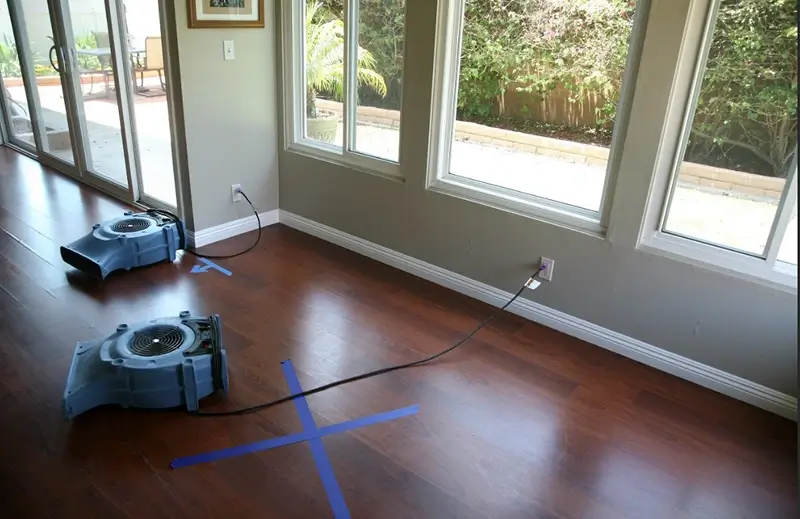
The speed of drying is directly related to the technology used. Professional restoration companies use advanced equipment such as:
Proper setup and monitoring can cut drying time by days compared to passive drying methods.
Insurance is often a major factor in timeline delays. Waiting for claim filing, adjuster inspections, and coverage approval can stall progress, especially during peak storm seasons in Southern California. Choosing a contractor who works directly with insurance providers, like Beyond Builder Los Angeles SoCal, can streamline the documentation and approval process, keeping the project moving.
When estimating the water damage restoration timeline, the category of water is a primary determinant. IICRC industry standards classify water intrusions into three categories, each dictating specific safety measures and protocols.
Average Timeline: 1–3 days drying + 1–5 days repairs
Category 1 water is low-risk and originates from sanitary sources like broken water supply lines, tub overflows, or rainwater. Because there are no immediate health hazards, technicians can begin aggressive drying immediately using air movers and dehumidifiers. Repairs such as painting or minor patching often begin within days.
Average Timeline: 2–5 days drying + 3–7 days sanitation + repairs
Category 2 water contains contamination that could cause illness if ingested. Common sources include washing machine leaks or toilet overflows (urine only). Restoration requires an additional step: thorough sanitation. Technicians must apply hospital-grade disinfectants and may need to remove carpet padding. This sanitization phase adds time before drying and reconstruction can proceed.
Average Timeline: 7–30+ days for full restoration
Category 3 is the most severe, involving sewage, floodwaters, or standing water that has supported microbial growth. Because of the serious health risks, restoration involves strict containment, removal of all porous materials (carpet, drywall, insulation), and deep cleaning. Clearance testing is often required before rebuilding can even start, significantly extending the project duration.

Every professional restoration project follows a standardized sequence. Understanding these steps helps homeowners track progress.
Technicians arrive to evaluate the affected areas, identify the water source, and map moisture migration using thermal imaging. This initial plan sets the stage for the entire project.
Emergency water removal is critical. Using submersible pumps and truck-mounted extractors, crews remove standing water to prevent further absorption into structural elements.
This is often the longest phase of “mitigation.” Industrial dehumidifiers and air movers run 24/7 to remove deep-seated moisture from studs, subfloors, and concrete. Daily monitoring ensures targets are met.
Once dry, the area is cleaned to remove dust, debris, and potential contaminants. Antimicrobial treatments are applied to prevent future mold growth and eliminate odors.
The final phase involves rebuilding. This includes hanging new drywall, installing flooring, painting, and replacing cabinets. Restoring your home to its pre-loss condition helps you finally return to normal life.

Delays can worsen structural issues and increase costs. Here are practical steps to keep the restoration moving:
Contact your insurance provider and a restoration company immediately. Take photos and videos of all damage before cleanup begins. Detailed documentation speeds up insurance approvals.
Move furniture, valuables, and personal items out of the affected area if safe to do so. This allows technicians to set up equipment faster and prevents secondary damage to your belongings.
Improper DIY attempts—like using household fans that blow mold spores around or failing to remove wet padding—can cause setbacks. Trusting certified professionals ensures the job is done right the first time, preventing “redo” work later.
| Category | Avg. Drying Time | Avg. Total Time | Key Challenges |
|---|---|---|---|
| 1 (Clean) | 1–3 Days | 3–7 Days | Minimal health risk; fast repair. |
| 2 (Gray) | 2–5 Days | 5–10 Days | Bacterial concerns; sanitation needed. |
| 3 (Black) | 5–14 Days | 14–30+ Days | Severe toxins; deep demolition & testing. |
Don’t let water sit. Time is the enemy of your home’s structure. Contact Beyond Builder Los Angeles SoCal for rapid response and professional restoration.
Get Help NowIn standard situations, active drying takes between 3 to 5 days. However, dense materials like hardwood floors or concrete may require 7-10 days to reach acceptable moisture levels.
For minor Category 1 leaks restricted to one room, you can usually stay. However, if there is sewage contamination (Category 3), active mold, or extensive demolition, it is safer to relocate temporarily until the environment is cleared.
Most policies cover the cost of drying and restoring the property to its pre-loss condition “within a reasonable time.” Prolonged delays caused by homeowner inaction might not be covered, making immediate professional engagement crucial.
If you have more questions about the water damage restoration timeline or need immediate assistance, Beyond Builder Los Angeles SoCal is ready to help you navigate every step of the recovery process.
Beyond Builder Los Angeles SoCal is a leading construction and remodeling company specializing in home renovations, commercial construction, room additions, ADUs, kitchen and bathroom remodels, custom builds, and full restoration services throughout Los Angeles and the greater Southern California region.