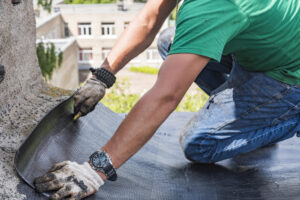
10 Signs You Need a Roof Replacement (Before a Small Leak Becomes a Big Bill)
10 Signs You Need a Roof Replacement (Before a Small
Eco-friendly building materials are products used in construction that are designed to reduce environmental impact, whether through renewable sourcing, recycled content, lower manufacturing emissions, or improved energy efficiency once installed. If you’re planning new construction or a major remodel and want to build a more sustainable home, understanding what materials are used to build an eco-friendly house is a good place to start. Beyond Builder builds and remodels homes across Los Angeles and Southern California, and this guide covers the materials worth knowing about.
Get a free quote from Beyond Builder
Eco-friendly building materials are products sourced, manufactured, and used in ways that reduce harm to the environment across their lifecycle, from extraction and production through installation and eventual disposal or reuse. This generally means one or more of the following: the material comes from a renewable or recycled source, it requires less energy to produce than conventional alternatives, it improves a building’s energy efficiency once installed, or it’s designed to be reused or recycled at the end of its life rather than sent to a landfill.
The construction industry is widely recognized as one of the largest consumers of raw materials and a significant contributor to global emissions, which is why material choice has become a bigger part of how homes and commercial buildings are designed and built.
A range of materials fall under the eco-friendly umbrella, each suited to different parts of a home:
| Material | Where It's Used |
|---|---|
|
Mass timber (CLT, Glulam) |
Structural framing, an alternative to steel and concrete
|
|
Recycled steel |
Structural beams, columns, and reinforcing, same performance as virgin steel
|
|
Low-carbon concrete
|
Foundations and structural concrete, using supplementary materials to lower emissions |
|
Bamboo
|
Flooring, paneling, and some structural applications, a fast-renewing resource
|
|
Reclaimed wood
|
Flooring, beams, and finishes with a smaller footprint than newly harvested lumber
|
|
Cellulose & wool insulation |
Wall and attic insulation, made from recycled or natural fiber
|
|
Low-VOC paints & finishes
|
Interior finishes that improve indoor air quality |
|
Energy-efficient windows & glazing
|
Reduces heating and cooling loads throughout the home |
Not every eco-friendly home uses all of these, most projects mix a few based on budget, structural needs, and design goals.
Some eco-friendly materials carry a modest upfront premium compared to conventional alternatives, while others, like reclaimed wood or certain recycled-content products, can be cost-competitive depending on availability. The better way to evaluate cost is over the life of the building: improved insulation and efficient systems typically reduce ongoing utility costs, which can offset some or all of the initial premium over time. Costs vary by material and by project, so it’s worth getting a specific estimate for your home rather than relying on a general rule of thumb.
If certification matters for your project, LEED (administered by the U.S. Green Building Council) is the most widely recognized green building rating system in the U.S., and factors in material sourcing, energy performance, and indoor environmental quality. The EPA’s Sustainable Materials Management program is also a useful reference for how material choices affect environmental impact more broadly, and ENERGY STAR remains the standard reference for energy-efficient products like windows, insulation, and appliances that support an eco-friendly build.
Beyond Builder provides new construction and home remodeling services across Los Angeles, Beverly Hills, Bel Air, and the surrounding areas of Southern California. As a licensed general contractor (LIC #1118371), we can help you evaluate which eco-friendly materials make sense for your budget, timeline, and goals, whether that’s a full sustainable new build or targeted upgrades as part of a remodel.
Eco-friendly building materials are construction products designed to reduce environmental impact, through renewable or recycled sourcing, lower manufacturing emissions, or improved energy efficiency once installed. Examples include mass timber, recycled steel, low-carbon concrete, and natural insulation.
Common choices include mass timber or recycled steel for framing, low-carbon concrete for foundations, natural or recycled insulation, energy-efficient windows, and low-VOC interior finishes. The right mix depends on the project’s budget and goals.
Some carry a modest upfront premium, while others are cost-competitive. Many pay for that difference over time through lower utility costs, so it’s worth evaluating cost over the life of the home, not just the initial price.
LEED, administered by the U.S. Green Building Council, is the most widely recognized certification in the U.S. and evaluates material sourcing alongside energy and indoor air quality performance.
Yes. Materials like mass timber, recycled steel, and low-carbon concrete are engineered to meet standard structural, seismic, and fire code requirements.
Whether you’re planning new construction or a remodel with sustainability in mind, contact Beyond Builder today for a free, no-obligation quote.
10 Signs You Need a Roof Replacement (Before a Small

How to Plan Electrical and Lighting Changes in a Kitchen

How to Check for Mold in Your HVAC System: Signs,

Can HVAC Systems Cause Carbon Monoxide? ⚠ If You Suspect