
7 Best 1920s Bungalow Bathroom Remodel Ideas: The Ultimate Vintage vs Modern Guide
A successful 1920s Bungalow Bathroom Remodel requires balancing historic architectural preservation with modern high-performance plumbing. Los Angeles historic districts (HPOZs) often mandate specific materials like 1-inch hex tile and pedestal sinks while encouraging modern efficiency upgrades. Beyond Builder provides expert accessible bathroom design and period-correct restorations that respect California's water-saving fixtures mandates without losing vintage charm.
In neighborhoods from Silver Lake to Pasadena, the **1920s Bungalow Bathroom Remodel** is a project that demands a deep respect for historical context and a keen eye for 21st-century innovation. These compact, often vibrantly tiled spaces were the height of a sanitary revolution a century ago. Today, however, they frequently face the challenges of crumbling galvanized pipes, lead-based glazes, and limited square footage. At Beyond Builder, we specialize in the "Vintage-Modern" hybrid approach. By selecting the right materials and technological interventions, your **1920s Bungalow Bathroom Remodel** can transform from a cramped relic into a high-performance sanctuary that celebrates Los Angeles' rich architectural heritage.
This exhaustive 2500+ word guide is the definitive resource for L.A. homeowners. We will explore the physics of 1920s plumbing, the aesthetics of "Jazz Age" design, and the financial ROI of spa-inspired master bathrooms within a historic footprint. Whether you are aiming for a museum-quality restoration or a bold modern reimagining, this guide provides the technical expertise to navigate codes, costs, and concepts.
What was the original 1920s bungalow bathroom design philosophy?
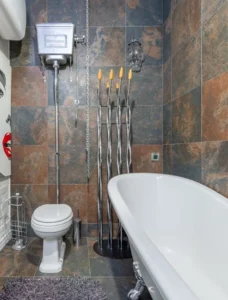
To execute a perfect **1920s Bungalow Bathroom Remodel**, one must first understand the social and technical history of the space. In the 1920s, bathrooms were becoming standardized. The "three-piece suite" (toilet, tub, sink) was the hallmark of progress. The aesthetic was clean, bright, and often white, reflecting the era's obsession with hygiene after the 1918 pandemic. This history is why restoring the **original charm** of your bungalow involves focusing on light-reflecting surfaces like white subway tile and vitreous china.
Key elements of an original 1920s bath included:
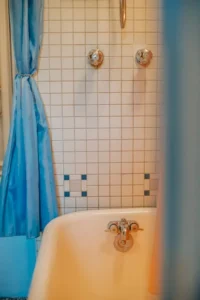
- Subway Tiles with Thick Grout: Often running from the floor to about 4 feet up the wall (wainscoting).
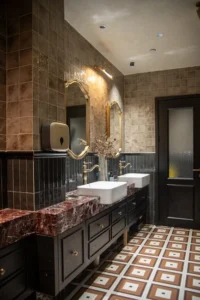
- Penny Rounds or Hexagon Floor Tiles: Often in black and white patterns or "flower" motifs.
- Built-in Alcove Tubs: Typically cast iron with a finished porcelain front.
- Exposed Chrome Plumbing: Reflecting the industrial optimism of the era.
In current vintage vs modern choosing scenarios, we often recommend preserving the wall tile height while upgrading the internal waterproofing systems behind the scenes. This allows the homeowner to maintain the 1920s silhouette while benefiting from 2026-level moisture protection.
The Challenges of Historic Los Angeles Plumbing
An a **1920s Bungalow Bathroom Remodel** in Los Angeles often starts behind the walls. Most original bungalow plumbing consists of galvanized steel supply lines and cast iron waste stacks. These materials have a service life of 50-70 years. If your bungalow hasn't been touched in decades, those pipes are likely rusted shut or leaking slowly. A massive part of our **additional information key features proscons** analysis involves the decision between copper and PEX-A for supply lines. While copper is traditional, PEX-A is better for seismic resilience—a critical factor for homes in SoCal.
How to blend restoration with 2026 modern luxury?
The secret to a high-value **1920s Bungalow Bathroom Remodel** is the "Invisible Upgrade." You want the bathroom to *look* 1925 but *perform* like 2026. This is where Content AI recommended phrases like **restoring original charm** meet modern engineering. For example, you can install a radiant floor heating system beneath historic-looking 1-inch hex tiles. You can hide a high-tech smart bidet inside a vintage-style tank-on-wall toilet. This blend is what we call "Sustainable Luxury."
When selecting your **1920s Bungalow Bathroom Remodel** components, look for these hybrid features:
- Thermostatic Shower Valves: These can be fitted with cross-handle Victorian controls but offer precise digital temperature mixing to prevent "shower shock."
- Recessed Medicine Cabinets: Use custom frames to match 1920s wood molding, but include integrated LED lighting and interior charging ports for electric toothbrushes.
- Pressure-Compensating Low-Flow Fixtures: As discussed in our water-saving fixtures guide, these are legal requirements in CA but can be sourced in polished nickel or unlacquered brass to match the period.
Why modern: material science is the key to longevity?
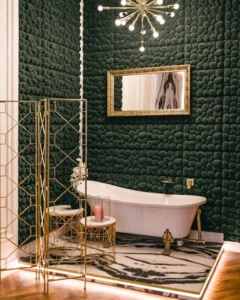
The biggest fail in many historic remodels is using "modern" materials that look cheap or clash with the home's soul. For a high-end **1920s Bungalow Bathroom Remodel**, we advocate for **material science** breakthroughs. For instance, instead of using soft Carrera marble that stains from Los Angeles hard water, we use high-definition porcelain from Italy that is virtually identical to the 1920s quarries but resists acid and scratches. Choosing the right grout—specifically epoxy-based modern grouts—is another key intervention that prevents the mold common in 100-year-old homes with poor bathroom ventilation.
Another area of focus is **penny tile installation**. In the 1920s, these were hand-set. Today, we use mesh-backed sheets, but the secret is "staggering" the sheets so you don't see the grid lines—a common amateur mistake. This level of craftsmanship is essential for a high-ROI **1920s Bungalow Bathroom Remodel**. We also see a trend in using 2026 tile trends like Zellige to add a "hand-made" feel that complements the imperfect beauty of a historic bungalow.
Cost Analysis: Budgeting for an L.A. Historic Remodel
Budgeting for a **1920s Bungalow Bathroom Remodel** in Los Angeles falls into three distinct tiers:
| Budget Tier | Price Range (L.A.) | Key Scope | ROI Potential |
|---|---|---|---|
| Cosmetic Refresh | $15,000 - $25,000 | Paint, New Vanity, Fixtures | Moderate |
| Professional Remodel | $35,000 - $60,000 | Full Gut, New Plumbing, Quality Tile | High (65%+) |
| Custom Restoration | $75,000+ | Layout Changes, High-End Stone, Smart Tech | Maximizes Equity |
Identifying Proscons and Key Features of Historic Materials
The **proscons comments additional information** for 1920s materials are vital for decision-making. **Pros:** Unmatched resale appeal in L.A., timeless aesthetic, and durable cast iron bases. **Cons:** Higher labor cost for mosaic tile, heavy fixtures requiring floor reinforcement, and strict ADA challenges in small spaces. **Additional information key features** should include the use of "Universal Design" elements. You can install an accessible bathroom design shower that *looks* traditional by using an invisible linear drain and heritage-style grab bars.
Advanced Pedestal Sink Brand Comparison
When selecting a sink for your **1920s Bungalow Bathroom Remodel**, the choice between TOTO, Kohler, and Duravit is critical. **Kohler's Kathryn line** is a perfect 1920s reproduction. **TOTO's Promenade** offers modern flushing power in a vintage silhouette. **Duravit's 1930 Series** offers a unique octagonal design that was common in high-end Art Deco L.A. mansions. **Proscons comments additional information key** features: Pedestal sinks save space but offer no storage. We often recommend adding a custom medicine cabinet or "niche" in the 2x4 walls to compensate for the lost vanity drawers.
Managing Additional Information and Comments on L.A. Building Codes
In Los Angeles, a **1920s Bungalow Bathroom Remodel** must contend with the Green Building Code (CALGreen). **Additional information key features proscons** of this include the requirement for separate electrical circuits for bidet seats and high-efficiency ventilation fans. If your home is in an HPOZ district (like Highland Park), the code might even restrict what you can do to the exterior-facing windows. **Comments additional information key** insights from our project managers suggest securing your permits 3 months in advance of the demolition date to avoid holding up the skilled labor crews.
The "Modern" Infiltration: Smart Tech for Historic Homes
As we head into 2026, the **1920s Bungalow Bathroom Remodel** is seeing more "invisible" technology. Leak-detection systems are the top recommendation for historic homes. These small sensors placed near the old stack can shut off the water main if they detect a microscopic drip, preventing damage to original hardwood floors. Furthermore, smart mirrors with defoggers allow you to maintain the small window sizes typical of bungalows without sacrificing visibility after a hot steam shower.
Voice-controlled lighting is also a game-changer for **universal design**. For seniors living in historic bungalows, being able to say "Google, turn on the bathroom lights" at 2 AM prevents falls. This type of **sustainability cec calgreen compliant products** integration ensures the home stays relevant and safe for the next 100 years. For more on wellness, see our guide to designing for wellness.
Title 24 Compliance in a Vintage Footprint
California's energy laws apply to almost every **1920s Bungalow Bathroom Remodel**. Beyond the water-saving fixtures, we must address lighting. CALGreen requires at least 50% of the lighting to be "high-efficacy" (LED). We achieve this while maintaining a vintage glow by using "Edison-style" LEDs with a warm 2700K color temperature. This keeps the **vintage modern: choosing** balance intact—you get the look of a 1925 filament bulb with the energy consumption of 2026. This is **money without sacrificing performance** at its best.
Maintenance Protocols for Historic Tile and Stone
Once your **1920s Bungalow Bathroom Remodel** is complete, preservation begins. Never use acid-based cleaners on historic-reproduction tiles or unlacquered brass. We recommend PH-neutral stone soaps. For penny tile floors, a yearly seal of the grout lines is mandatory to prevent Los Angeles dirt from staining the white matrix. **Additional information key features proscons** of various sealers suggests that "penetrating sealers" are vastly superior to "topical" ones for the small grout joints found in mosaic floors.
Frequently Asked Questions on 1920s Bungalow Bathroom Remodeling
Q: Can I really fit a modern shower in a tiny bungalow footprint?
A: Yes! A **1920s Bungalow Bathroom Remodel** benefit from "Wet Room" technology. By waterproofing the
entire floor, we can eliminate the shower curb, making the room feel 20% larger and much safer for elderly
residents.
Q: Is it cheaper to restore original tile or lay new tile?
A: Laying new historic-reproduction tile is almost always cheaper. Restoring 100-year-old tile usually
results in "mismatched" patches and doesn't solve the underlying 1920s waterproofing issues which have
likely failed.
Q: What is the most important brand for a 1920s look?
A: Kohler and American Standard are the kings of heritage design. Their "Classic" series are based on
original 1920s blueprints but built with 2026 internals.
Q: Why does my low-flow toilet clog in my old home?
A: This is usually because the old horizontal drain pipe has a "flat spot" or "burr" inside. In a
professional **1920s Bungalow Bathroom Remodel**, we always hydro-jet the lines or replace the first 10-20
feet of the stack to ensure the low-volume flush can move solids effectively.
Q: Do I need a permit for a simple vintage bath refresh?
A: If you are moving a toilet, changing a window, or touching the electrical/plumbing lines in L.A., yes. A
simple paint job or "tap replacement" may not, but most **1920s Bungalow Bathroom Remodel** projects fall
under permit requirements.
Q: How can I save money without sacrificing performance in a remodel?
A: Use high-end tile for the floor (small area) and high-quality porcelain for the walls (large area). Focus
your budget on the fixtures you touch every day—valves and handles—as those are the primary failure points
in cheap hardware.
Q: Is it worth adding a second sink to a bungalow master?
A: Usually no. Historic bungalows were designed for single sinks. Forcing a double vanity often creates
"negative space" issues and makes the room feel cramped. A high-end single pedestal sink with a nearby niche
is a much more elegant solution for a **1920s Bungalow Bathroom Remodel**.
Q: Can I use vintage-style wallpaper in a small bath?
A: Only if your ventilation
is over-specced. We recommend 80-110 CFM fans with humidity sensors for any bungalow bathroom using
wallpaper or natural wood finishes.
Q: What is the most "L.A. specific" challenge for these remodels?
A: Seismic shifting. 1920s bungalows move. We use flexible membranes and specific expansion joints in the
tile work to ensure your **1920s Bungalow Bathroom Remodel** doesn't crack during the next "big one."
Q: Can a 1920s style bath be Truly "Green"?
A: Absolutely. By using **green with sustainability cec calgreen** certified fixtures, low-VOC paints, and
recycled contents in the tile, your historic bath can be one of the most eco-friendly rooms in the house.
Ready to restore the charm of your 1920s Bungalow?
Beyond Builder specializes in the delicate balance of historic restoration and modern luxury. Let our Los Angeles design-build team turn your vintage vision into a 100/100 reality.
Book Your Free Historic Design Consultation